

Sport Performance
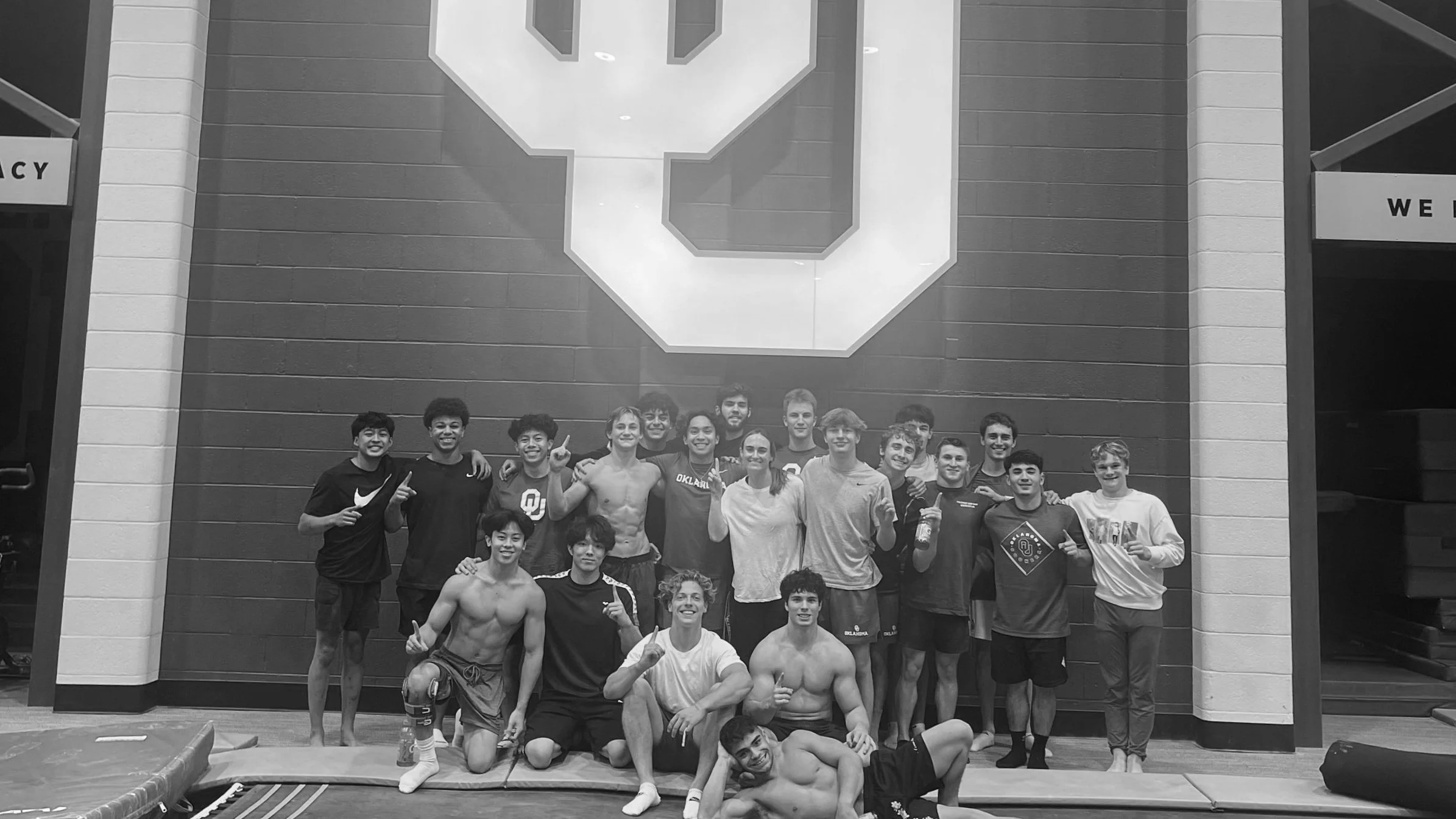
What is Sport Performance?
It’s like training for your brain. Just like strength and flexibility take time and effort, so do the mental skills that support high performance.
These sessions are beneficial for:
Tumbling mental blocks
Performance nerves or anxiety
Frustration with “mental mistakes”
Improving focus, confidence, and resilience
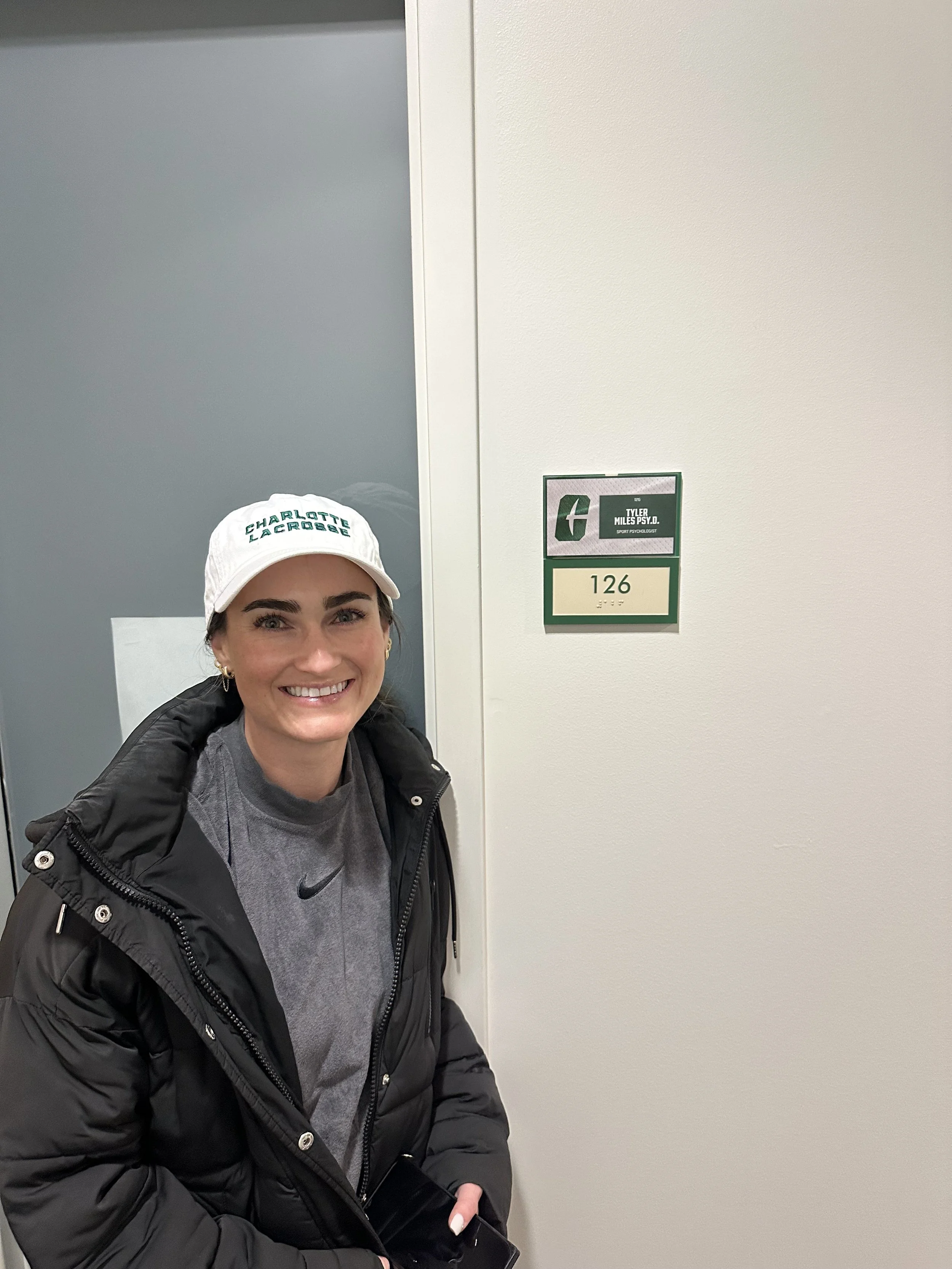
Who is Dr. Tyler Miles?
Dr. Tyler Miles, Psy.D., has worked with Olympic, Division I, and professional athletes. She is also a retired Worlds-level cheerleader (The California Allstars) and Division I collegiate cheerleader (UNC-Chapel Hill). To find out more about Dr. Tyler Miles, visit the About Me page.
Sport performance coaching sessions can help
Receive individualized sessions related solely to sport performance-related concerns like performance anxiety, self-talk, pre-performance routines, mental blocks, etc.
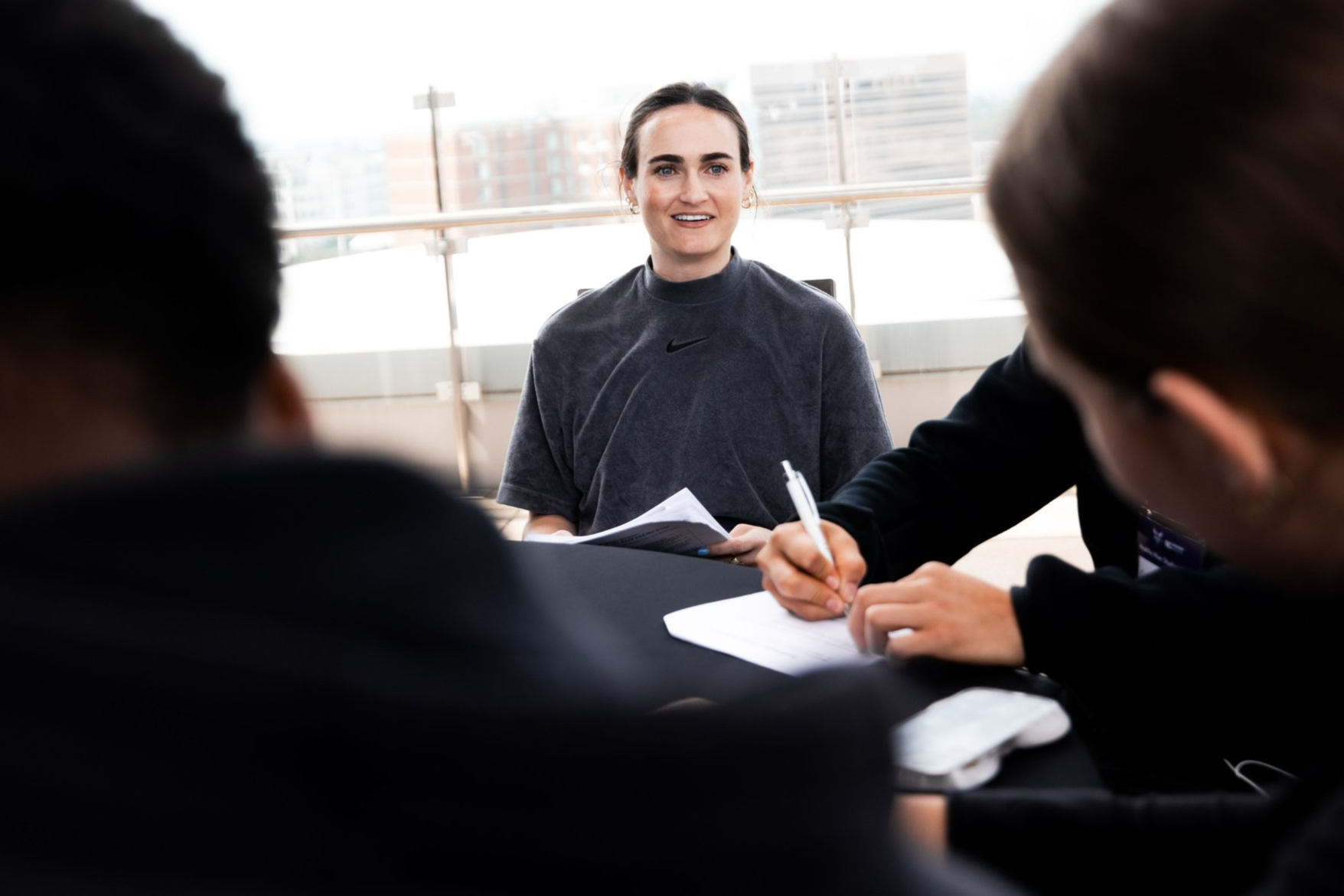
Services
All sessions are virtual
60-minute intake
45-minute session
What happens in a session?
The first session is all about understanding your unique experience:
What have you already tried?
What helped — and what didn’t?
When did the problem start, and how is it showing up?
From there, we’ll create a plan that fits your goals, personality, and skill level. Some sessions are more conversational, while others may involve movement, breathing exercises, or visualization.
A process — not a quick Fix
Progress takes time and effort. Sport psychology is not a one-time magic solution — it works best when athletes are open, consistent, and willing to practice the tools we build together. The more they put into it, the more they’ll get out of it.