About Me

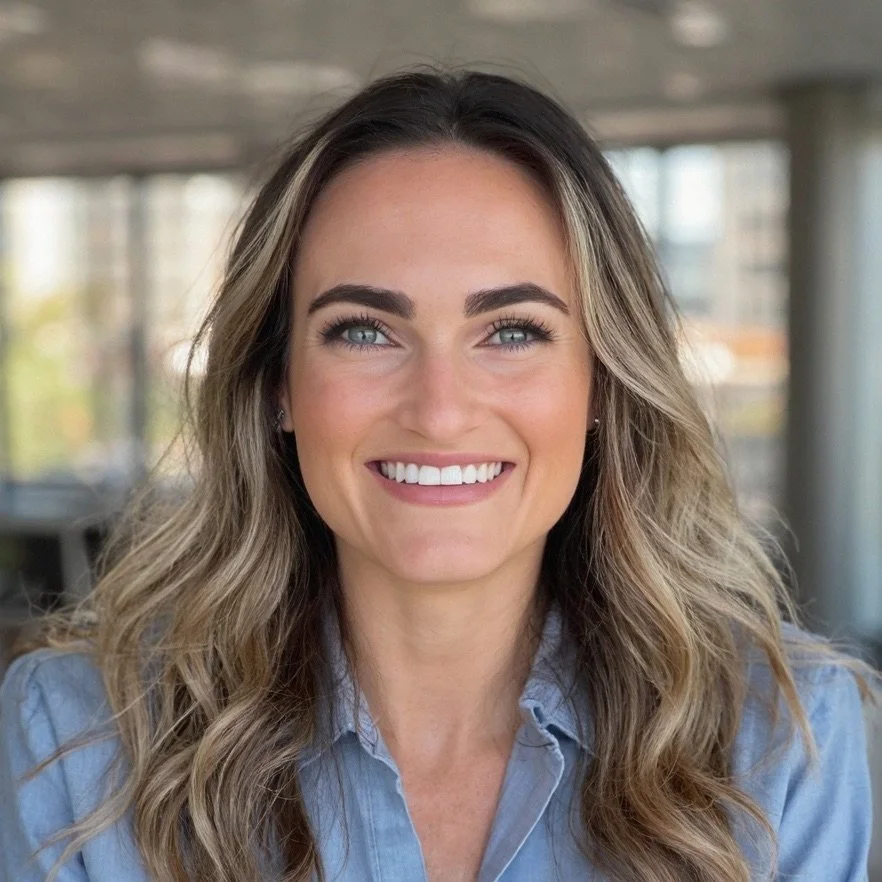
Dr. Tyler Miles earned her bachelor’s degrees in Photojournalism and Peace, War, and Defense from UNC-Chapel Hill. She initially engaged in international human rights work in Northern Uganda and Washington, D.C., before transitioning to obtain her master’s degree in forensic psychology from The George Washington University. She later earned her Psy.D. from the California School of Professional Psychology, focusing her research on coach-athlete emotional abuse. She completed her doctoral internship with the University of Oklahoma Athletics Department, during which she also worked with the Oklahoma City Ballet and the University of Oklahoma School of Dance. Dr. Tyler Miles's diverse experience includes working in a locked inpatient psychiatric intensive care unit and a state prison. Dr. Tyler Miles is completing her postdoctoral fellowship in sport psychology with UNC-Charlotte Athletics.




Research, Publications, & Presentations
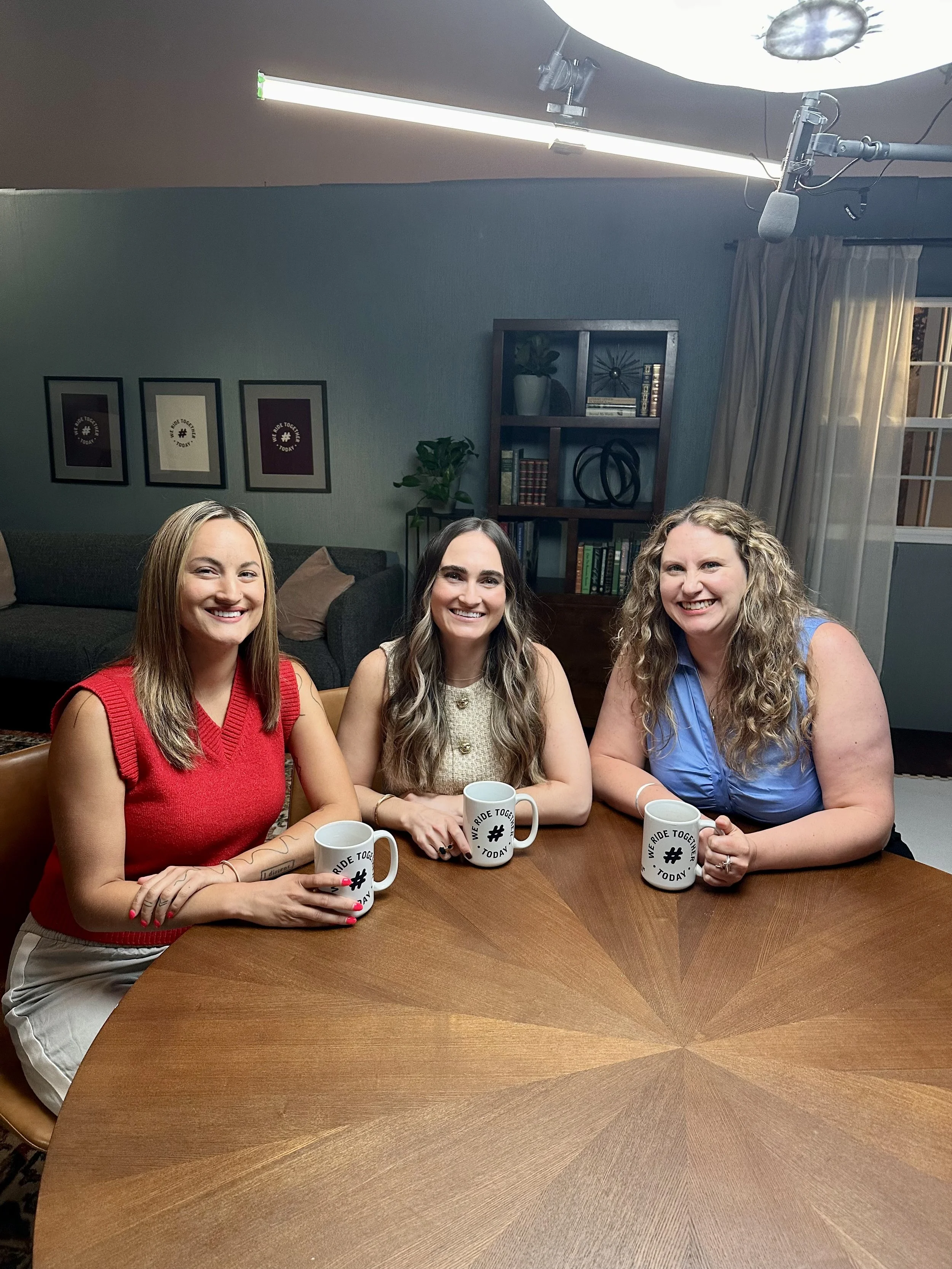
Beyond my clinical work, I’m deeply committed to advancing research, education, and advocacy in sport psychology. I have an upcoming publication in a sport psychology textbook, and my dissertation research has been formally published. In August 2024, I had the opportunity to present my work on emotional abuse of student-athletes by coaches at the Institute of Violence, Abuse, and Trauma (IVAT) annual conference, which is a topic I’m incredibly passionate about. I was given the opportunity to work with the Charlotte Hornets and to be featured as an expert panelist in a filmed project with We Ride Together, an organization dedicated to ending abuse in sports. Every project I undertake reflects my commitment to creating safer and more equitable spaces for all athletes.

Athletic Career & Cheerleading
I cheered competitively for The California Allstars in San Marcos, CA, for 12 years, expeditiously transitioning to higher levels while receiving multiple recognitions, including the Cheerleading Worlds Scholarship, and titles at The Cheerleading World Championships with International Open Coed 5 and International All-Girl. I went on to cheer for the University of North Carolina at Chapel Hill's varsity coed team and was the recipient of the Frieda Scholarship, which is awarded to the coach's choice of one senior cheerleader who shows the most altruistic promise.
As a passionate advocate for mental health services for cheerleaders, I presented at the University of Oklahoma, highlighting the need for psychological support in cheerleading. I addressed cultural biases and gender stereotypes that have historically limited access to care, and discussed the sport's evolution. My commitment to cheerleaders stems from recognizing their athletic achievements and a desire to promote equity within sports systems, informed by my own experiences.



A Unique Career Path
My journey to sport psychology began with a passion for human rights. After graduating from UNC Chapel Hill, I spent a year in Gulu, Uganda, then worked in Washington, D.C., before pursuing a master’s in Forensic Psychology. Realizing the lack of research on coach-athlete emotional abuse, I decided to do the research myself and applied to doctoral programs.
Since then, I've presented my research at national conferences and gained clinical experience in a locked psychiatric unit and a state prison. I completed my doctoral internship with the University of Oklahoma Athletics and postdoctoral fellowship with UNC Charlotte Athletics.
My approach is trauma-informed, focusing on meeting clients and teams where they are. Advocacy and social justice remain central to my identity, and when I’m not working, I enjoy traveling, live music, and engaging conversations with my vocal husky.